Introduction
When sourcing adult incontinence products for an OEM or private label project, approving a product sample is only one step in the sourcing process. The more important question is whether the adult diaper factory can reproduce the approved specifications consistently during mass production.
Before placing an OEM order, buyers should look beyond product appearance and quotation prices and verify the factory's production capability, raw material controls, in-process quality management, testing resources, traceability, and ability to maintain consistent specifications across production batches.
This article focuses specifically on what buyers should verify at the factory level before moving from product evaluation to an OEM order. If you are exploring product options, learn more about our adult incontinence care manufacturing capabilities and full range of adult incontinence products.
Why Factory Evaluation Matters for OEM Adult Diaper Buyers
OEM partnerships are not one-time purchases — they involve custom product development, repeated production runs, and long-term supply alignment. Comparing sample products alone cannot guarantee reliable performance at scale. Key risks of skipping full factory evaluation include:
- Inconsistent product specifications across production batches
- Unstable raw material quality that shifts performance over time
- Gaps between sample quality and mass-produced output
- Limited customization that only rebrands standard products
- Reactive quality control that misses issues until products reach market
- Delayed production and delivery when scaling order volumes
A thorough factory evaluation helps identify potential production and quality risks before an OEM order is placed and provides a clearer basis for confirming production requirements.
1. Check the Factory's Production Lines and Manufacturing Capability
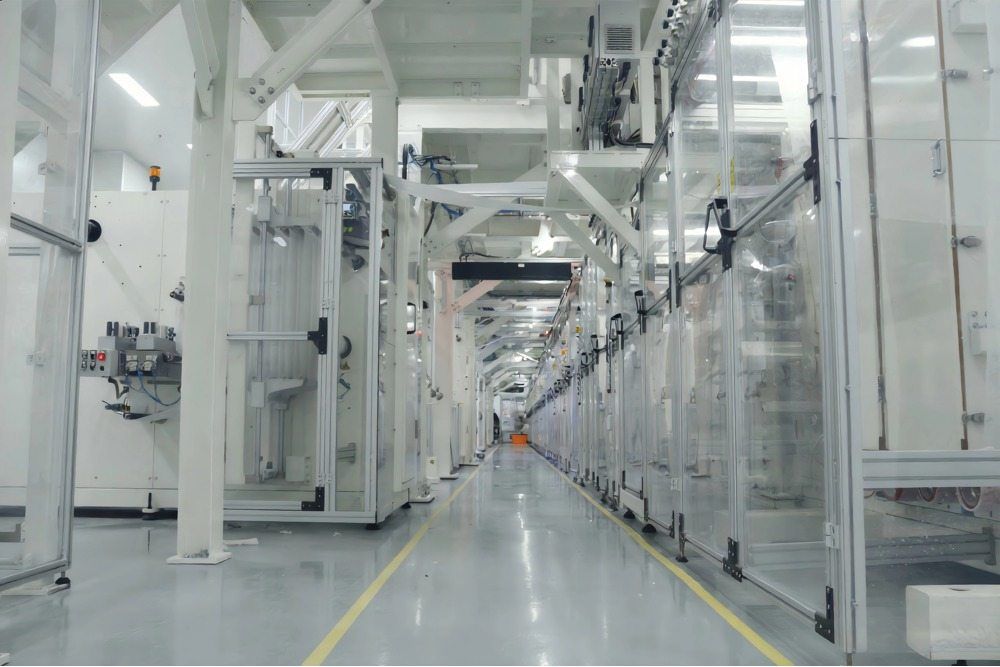
A factory’s production infrastructure directly determines its output capacity, consistency, and product flexibility. When assessing an adult diaper manufacturer, review the number of active production lines, level of automation, range of product formats it can produce, and ability to support varied sizes and specifications. It is also important to confirm that the same processes used for sample production apply to full mass production, as some factories produce high-quality samples but cannot replicate that standard at scale.
At Easy Hygienic, we operate 35+ fully automated production lines supported by integrated production management systems. This production infrastructure supports consistent output and a range of product specifications for OEM projects, from standard adult diapers to high-absorbency formats for different incontinence care needs.
2. Check the Raw Materials Used in Adult Diaper Production
Product performance begins with raw materials, and adult diaper materials directly impact absorbency, comfort, and leak protection. When evaluating a factory, ask for clear details on core material types: topsheet nonwoven options, absorbent core composition (fluff pulp and SAP ratio), backsheet specifications, elastic components, and adhesive types.
Keep in mind that higher material content or more expensive inputs do not always equal better performance. Material selection should align with your product’s absorbency requirements, structural design, target market preferences, and cost targets. Buyers should also confirm whether material specifications are formally documented and whether any material substitutions require approval before production.
A capable adult diaper factory should be able to explain its material selection logic, maintain consistent material specifications across production batches, and provide appropriate batch or inspection records when required.
3. Evaluate Incoming Raw Material Quality Control
Reliable adult diaper manufacturing does not start on the production line — it starts with incoming material inspection. Factories that skip formal incoming checks and feed materials directly into production carry a much higher risk of quality deviations. A robust incoming QC process should include verification of material specifications, complete batch information, material condition checks, supplier documentation review, sampling inspection, and batch traceability registration.
At Easy Hygienic, our quality management system covers every stage from raw material incoming inspection to finished product shipment. This ensures material deviations are identified and resolved before they enter production, preventing costly rework and quality issues downstream.
4. Examine the Factory's In-Process Quality Control
Truly strong quality control is built into the production process, not just applied as a final check. Final inspection alone cannot catch internal issues like uneven core weight, misaligned materials, or inconsistent elastic tension, which can lead to leaks or discomfort in finished products.
Key in-process checks include core weight verification, product dimensional accuracy, material positioning, elastic placement, adhesive application uniformity, cutting precision, and visual defect inspection. Finished product checks should then verify whether the completed products meet the approved specifications before shipment.
Easy Hygienic has over 350 quality checkpoints across our production lines, paired with real-time production monitoring and AI camera inspection. This multi-node control system helps identify dimensional, positioning, and appearance issues early in the production cycle, reducing the risk of batch-to-batch inconsistency and costly rework for our OEM partners.
5. Check Testing and Laboratory Capabilities
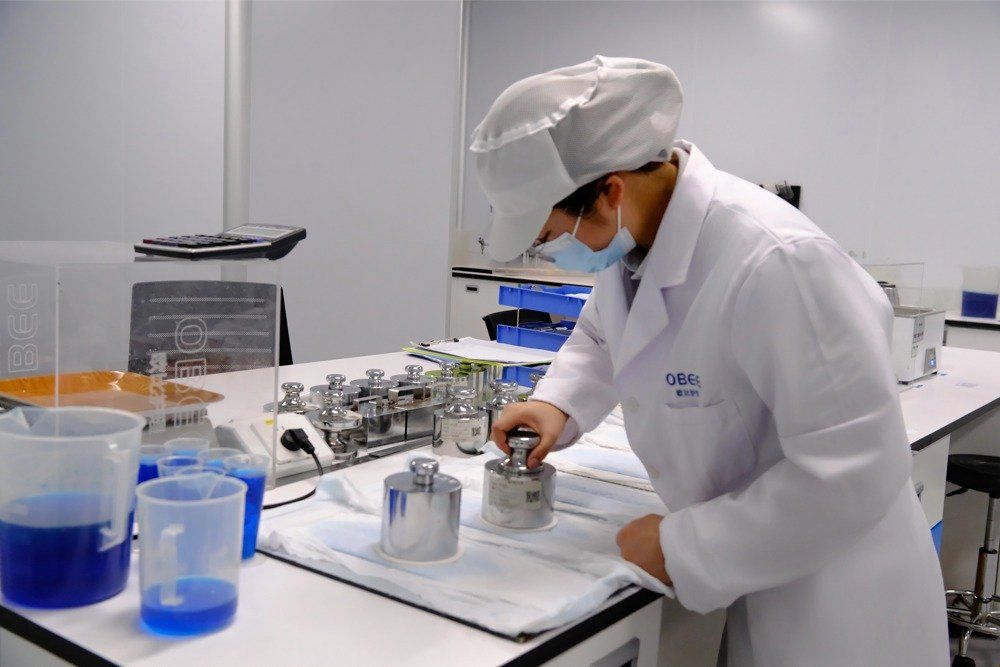
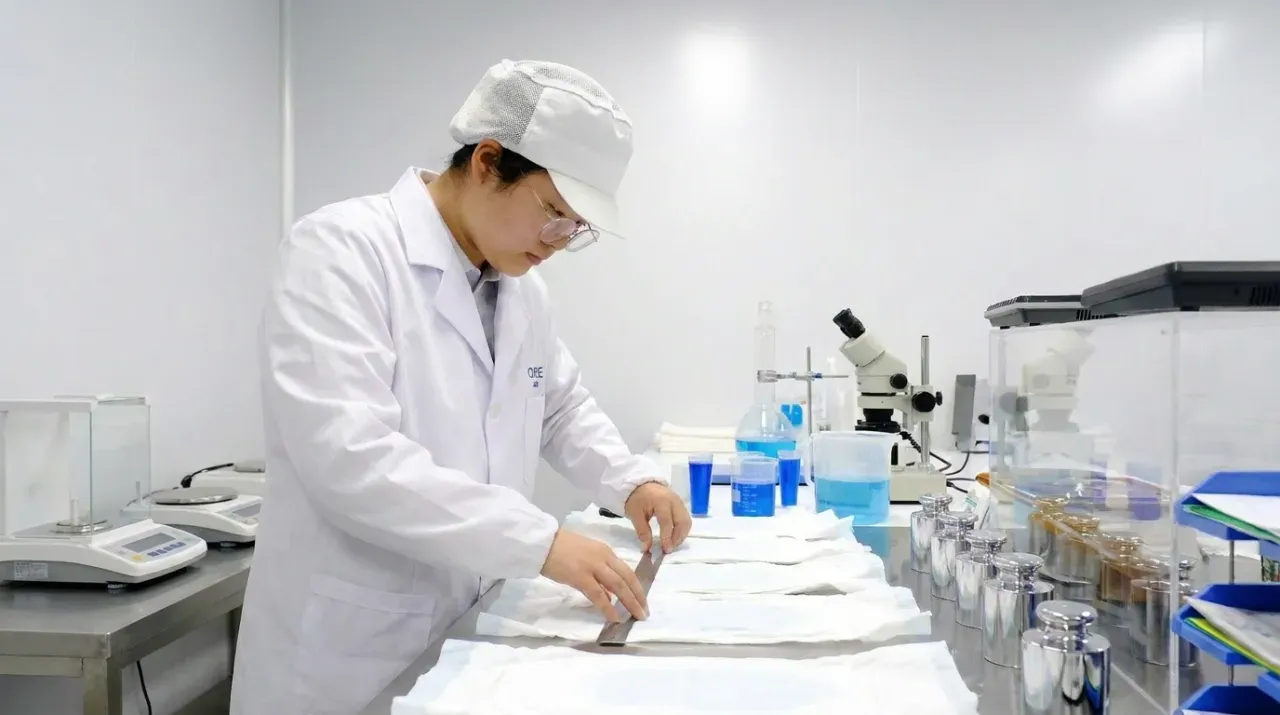
Not all adult diaper testing needs to be done by third-party labs or the buyer. Factories with in-house testing capabilities can validate performance faster, adjust production parameters promptly, and verify quality across every batch. When evaluating a factory, confirm what tests it can conduct on-site, such as absorption testing, rewet testing, leakage-related testing, dimensional verification, weight and material checks, and packaging integrity inspection.
Testing protocols should be adjusted based on product specifications and customer requirements, rather than applying a one-size-fits-all standard.
Easy Hygienic houses a CNAS-standard laboratory that supports internal product performance testing and quality validation. This testing capability helps support specification confirmation during product development and quality verification across production runs for our OEM clients.
6. Review Product Specifications and Customization Capability
OEM adult diaper projects require true product customization, not just repackaging standard products with a private label. Before placing an order, confirm the factory can customize core product attributes, not just packaging. Customizable elements typically include product size, absorbency level, core configuration, waist and leg fit design, fastening system, packaging format, carton configuration, and product labeling.
Before placing an OEM order, confirm which product specifications can actually be customized and how changes are documented and approved before mass production. Customizable elements may include product size, absorbency level, core configuration, waist and leg fit design, fastening system, packaging format, carton configuration, and product labeling.
Easy Hygienic supports OEM, ODM, and private label customization across material, structural, performance, and branding requirements, tailored to different target markets and product specifications.
7. Check Whether the Factory Can Maintain Consistent Mass Production
The biggest risk in OEM adult diaper production is inconsistency between prototype samples, pilot runs, and full mass production. A factory that delivers excellent samples but cannot replicate that quality at scale will create costly problems for your brand.
When evaluating mass production capability, look for evidence of consistent specifications across batches, stable material sourcing, repeatable dimensional accuracy, consistent absorbency performance, uniform packaging, and complete production records for each run.
The most useful way to evaluate mass production consistency is to compare the approved prototype, pilot production, and subsequent mass-production batches against the same specifications. Buyers should review product dimensions, absorbency performance, core weight, material specifications, elastic performance, packaging, labeling, and relevant production records.
A factory should also be able to explain how deviations are identified, recorded, investigated, and corrected before affected products are released.
Easy Hygienic's automated production setup and structured quality management system support consistent product specifications from prototype development through mass production, including repeat OEM orders.
8. Evaluate Traceability and Production Records
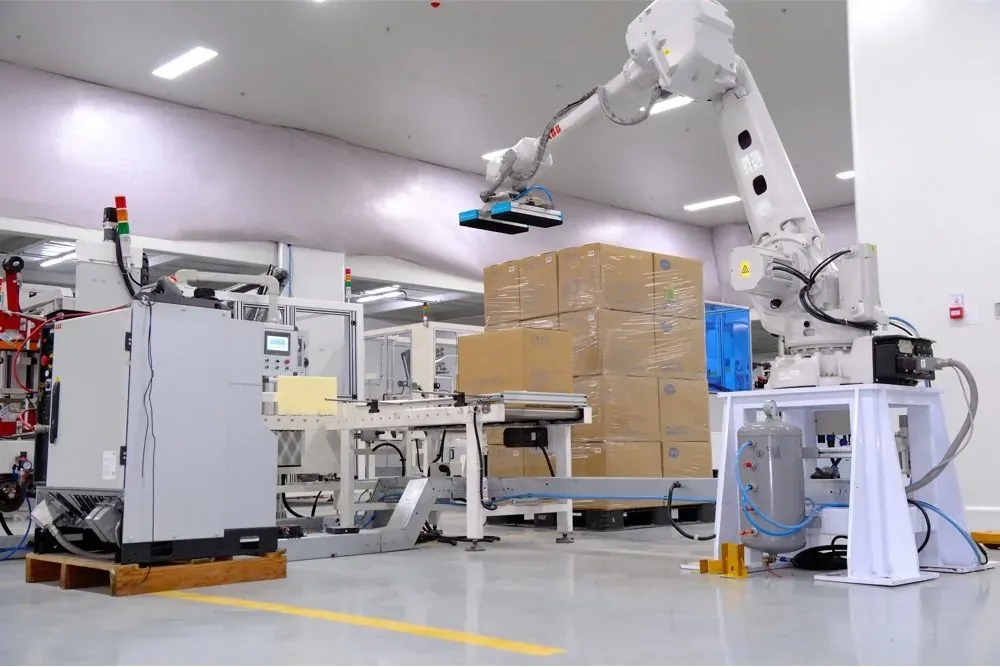
Full production traceability is essential for international B2B buyers, especially for products in the adult care category. A strong traceability system links every production batch to its raw material batch records, production parameters, QC results, packaging details, and shipment information. If quality concerns arise or you need to review production history, traceability allows you to quickly isolate specific batches and resolve issues efficiently.
Easy Hygienic production facilities use MES, WMS, and QMS systems to support end-to-end production and quality traceability across adult care product lines. These systems help link production batches with relevant material, production, quality control, and packaging records, supporting efficient review when production or quality questions arise.
9. Check Certifications and Quality Management Systems
Industry certifications can provide useful evidence of a factory's quality management and operational systems, but they should not be the only factor considered. Different markets and product categories may require different certifications or compliance documentation, so buyers should align certification checks with the target market and product type.
Common relevant certifications and standards may include ISO 9001, ISO 13485, OEKO-TEX Standard 100, and CE marking where applicable. Before placing an order, buyers should verify the scope, validity, issuing organization, and product applicability of relevant certificates and documents.
Easy Hygienic maintains ISO 9001 and ISO 13485 certified quality management systems, with additional product-specific certifications aligned to major global market requirements. Exact applicable certifications depend on product type and target destination.
10. Evaluate OEM Support, Packaging and Export Experience
Finally, evaluate how well the factory can support your full OEM project needs, from product development through to delivery. Key points to confirm include whether the factory supports OEM and private label projects, can produce custom packaging, provides pre-production confirmation samples, can support consistent repeat orders, can prepare full export documentation, and has proven experience serving international markets.
Learn more about our custom project workflow in our OEM adult diaper production guide.
Easy Hygienic provides OEM, ODM, and private label services for international buyers and has experience serving customers across 100+ countries and regions. Our support covers product development, specification confirmation, customized packaging, quality management, and export documentation for OEM projects.
| Evaluation Category | Key Checkpoints |
|---|---|
| Production Capability | Production lines, automation, capacity, and product formats |
| Materials | Material specifications, incoming inspection, and batch traceability |
| Quality Control | Incoming, in-process, and finished-product checks |
| Testing | In-house testing capability and relevant test records |
| Customization | Product specifications, packaging, labeling, and OEM support |
| Mass Production | Consistency between approved samples, pilot runs, and production batches |
| Traceability | Material, production, quality, and packaging records |
| Compliance | Applicable quality systems, certifications, and market requirements |
| Export Support | Packaging, documentation, and international market experience |
For a complete 10-point assessment framework, please check article: How to Choose an Adult Diaper Manufacturer in China.
Questions to Ask an Adult Diaper Factory Before Placing an Order
Before placing an OEM order, ask the factory to confirm the following:
- Can you reproduce the approved product specifications consistently during mass production?
- How are incoming raw materials inspected, approved, and recorded?
- What in-process and finished-product quality checks are performed?
- How are production batches and quality records traced?
- What product, quality, certification, and export documents can be provided before shipment?
Conclusion
Before placing an OEM order, evaluating an adult diaper factory should go beyond product samples and quotation prices. Buyers should verify whether the factory has the production infrastructure, material controls, quality systems, testing capabilities, traceability, and mass-production consistency needed to reproduce the approved product specifications reliably.
A structured factory evaluation can help buyers identify potential production and quality risks before committing to larger volumes. It also provides a clearer basis for discussing product specifications, quality requirements, documentation, and long-term OEM cooperation.
If you are developing an OEM or private label adult incontinence product line, Easy Hygienic supports international buyers with product development, specification customization, mass production, and quality management. Contact our team to discuss your project requirements.