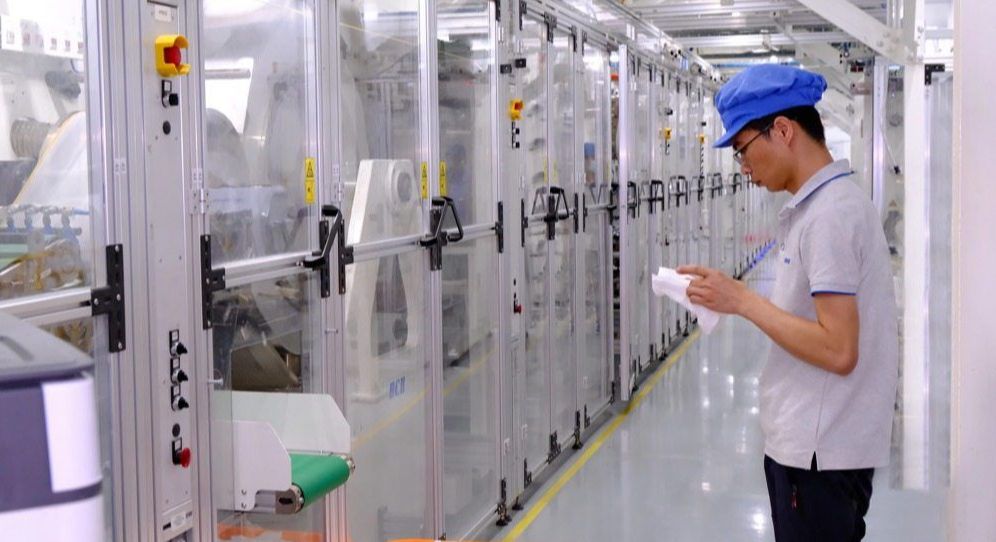
China is one of the world’s major manufacturing and sourcing bases for disposable hygiene products, offering global importers, private label brands, and regional distributors access to a mature supply chain and diverse manufacturing capabilities.
Partnering with a professional baby diaper manufacturer in China delivers unmatched advantages: a complete localized industrial supply chain, scalable automated production, flexible OEM/ODM customization, and competitive manufacturing costs.
However, importing baby diapers from China is far more than simply finding a factory and placing an order. Most new B2B buyers face common setbacks: unqualified suppliers, MOQ mismatched with business scale, unstable product quality, and cross-border compliance risks.
This structured B2B sourcing guide solves three core pain points for global buyers: how to screen a trustworthy baby diaper manufacturer, how to align MOQ and pricing with your business stage, and how to build systematic pre-order quality risk control for stable brand growth and global expansion.
Why Source Baby Diapers from China?
China is a major hub for baby diaper manufacturing, supported by an established supply chain. Key diaper materials include non-woven fabrics, SAP, fluff pulp, breathable films, and elastic components, giving manufacturers access to a broad range of local and regional material suppliers.
Decades of OEM and ODM export experience allow Chinese baby diaper manufacturers to adapt products and packaging to different market requirements across Southeast Asia, Africa, Latin America, the Middle East, and Europe.
Southern China, including Guangdong and major manufacturing areas such as Foshan and Dongguan, provides buyers with access to established suppliers, material networks, mature production capabilities, and experienced export services. For buyers aiming to import baby diapers from China, these manufacturing clusters can simplify supplier sourcing and production coordination.
Why Most Importers Fail When Sourcing Baby Diapers from China?
Most diaper import failures stem from flawed buyer sourcing strategies rather than poor market demand.
First, new buyers often confuse ultra-low MOQ with supplier flexibility. Genuine manufacturers rely on large-scale production to control costs, while an unusually low MOQ for a fully customized product should prompt buyers to ask whether the order is produced directly by the supplier or fulfilled through a third-party manufacturing partner.
Second, chasing rock-bottom unit prices leads directly to compromised quality: unreasonably low quotes mean downgraded raw materials, reduced SAP dosage, simplified production processes, and higher defective rates.
Third, most new importers lack professional verification skills and mistakenly cooperate with unqualified middlemen.
Poor supplier selection can contribute to order disputes, inconsistent quality, shipment delays, and unnecessary costs, making supplier verification an important part of the sourcing process.
How to Identify a Real Baby Diaper Manufacturer (Not a Trading Company)?
Telling the difference between a genuine reliable baby diaper manufacturer and a trading company is the foundational step for successful sourcing. The two supplier types differ sharply in pricing, quality control, delivery stability, customization capabilities, and technical support, directly determining your long-term supply chain security. The table below outlines their core differences to help B2B buyers evaluate suppliers more systematically and reduce sourcing risks.
| Dimension | Factory (Manufacturer) | Trading Company |
| Price | Pricing — Direct manufacturing pricing, depending on specifications and order volume | Pricing may include additional sourcing or service costs |
| Quality Control | Direct full-process production control, strict QC inspection | Production is typically outsourced, with quality control depending on manufacturing partners. |
| Order Lead Time | Independent production scheduling, controllable delivery cycle | Affected by factory scheduling, prone to delays |
| Communication | Direct docking with technical and production teams, efficient problem-solving | Communication may involve an additional coordination layer between buyer and manufacturer. |
| Customization Capability | Strong, adjustable production lines for formula, structure and packaging | Weak, only relay demands, unable to independently optimize products |
To verify a credible baby diaper manufacturer, implement six key verification steps:
First, cross-check business licenses and production qualifications to ensure consistent enterprise information.
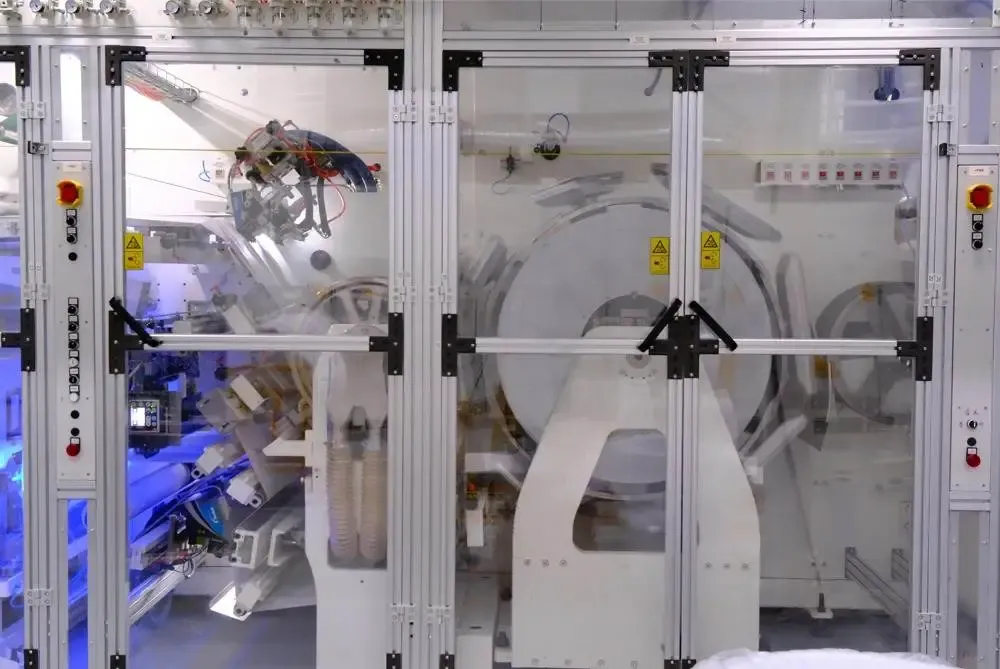
Second, request dated on-site production photos or videos to confirm real automated production scale.
Third, verify all international certifications match the factory’s registered legal name.
Fourth, test OEM professionalism: real factories can independently adjust SAP content, core absorbent structure, and product sizes, while traders can only relay requests.
Fifth, conduct double sample testing; stable consistent samples prove standardized production.
Sixth, be cautious when a supplier claims full customization while offering an unusually low MOQ. Ask whether the order uses existing specifications, shared production runs, or third-party manufacturing.
Understanding MOQ and Production Planning
For buyers who import baby diapers from China, MOQ is far more than an order quantity rule — it shapes your entire cost structure, customization flexibility, and production priority. Different cooperation modes match distinct brand development stages. New startups need low-threshold trial orders for market verification, while mature brands leverage high-volume bulk orders to lower unit costs and expand market coverage. The below MOQ standards are tailored for mainstream B2B diaper sourcing scenarios.
MOQ varies by manufacturer and depends on product specifications, customization, packaging, SKU count, and production scheduling. The ranges below are examples of common B2B sourcing scenarios rather than industry-wide standards.
| Cooperation Mode | General MOQ Standard | Applicable Business Stage |
|---|---|---|
| Trial Custom Order | 10,000–20,000 pieces per SKU | New brand market testing, small-batch trial sales |
| Standard Bulk Order | 50,000–100,000 pieces per SKU | Stable offline distribution and e-commerce sales |
| Large-scale OEM Order | 100,000+ pieces per SKU | Mature brands with large market demand |
MOQ directly impacts unit cost, customization space, and lead time. Higher order volumes eliminate repeated line mold changes and qualify bulk raw material discounts, reducing single-piece costs significantly. Larger orders may provide more room for product customization, packaging options, and production planning, depending on the manufacturer's capabilities and order specifications.
New buyers can adopt practical negotiation strategies to lower entry barriers. Mixed-SKU orders can be an effective way to meet volume requirements while testing several sizes or product variants. For example, if a single-SKU MOQ is 50,000 pieces, negotiate 3 mixed sizes of 20,000 pieces to meet total volume requirements.
Some manufacturers offer trial-order arrangements for new partners, depending on product specifications, customization requirements, and production schedules. Recommended negotiation script: “We are a new brand looking to test the market. Would you consider a trial order of mixed sizes to meet the MOQ? We plan to scale up significantly if the market response is positive.”
Baby Diaper Pricing Structure Explained (FOB Cost Breakdown)
To accurately evaluate supplier quotes, buyers must understand the full baby diaper manufacturing cost structure and calculate the true cost of importing baby diapers from China. FOB pricing includes four core components: raw material costs (the largest variable factor, determined by SAP, fluff pulp, and non-woven fabric grade), production and processing fees, customized packaging costs, and domestic port logistics and declaration fees. Material quality and dosage directly decide product performance and shelf competitiveness, making blind low-price chasing risky and unprofitable.
Comparing only unit prices is a common sourcing mistake. A lower unit price does not necessarily mean a lower total cost. Differences in absorbent materials, product construction, packaging, and quality consistency can significantly affect the overall cost of ownership. For meaningful comparison, ask suppliers to quote under the same Incoterm and clearly state the named place, product specifications, packaging requirements, and included costs. This method ensures you compare identical product specifications and identify hidden cost-cutting flaws.
Certifications Required for Different Markets
Certification and compliance requirements for baby diapers vary by destination market, product type, and intended use. Buyers should confirm the applicable requirements before placing an order. For markets where FDA registration or other regulatory requirements apply, buyers should verify the supplier's registration status and ensure that the relevant product and facility information matches official records. OEKO-TEX® STANDARD 100 can provide additional material safety assurance for applicable products. Many unqualified factories falsely claim full certifications without verifiable official records. Buyers must master step-by-step certification verification to screen qualified suppliers.
For ISO 9001 and ISO 13485 verification, obtain the certificate number, issuing authority, and validity period, then confirm the certificate's validity, issuing organization, certification scope, and registered entity through the certification body's verification system where available.
Where FDA registration applies, verify the relevant establishment and product information through the official FDA database and confirm that the registered details correspond to the supplier and products being purchased.
For OEKO-TEX® STANDARD 100, verify the certificate number, validity, product scope, and product class through the official certification system. For products intended for babies and young children, Product Class I is the relevant category to check.

Avoid vague certification inquiries. The professional verification question is: “Please provide your ISO certificate number, issuing institution and certification scope for us to verify directly on the official website.” Genuine qualified manufacturers provide full details promptly, while unqualified suppliers hesitate or make excuses, serving as a clear risk warning.
Quality Control: What to Check Before Placing an Order
Pre-order baby diaper quality control and sample testing prevent massive post-shipment quality losses. Buyers should conduct agreed pre-production checks covering absorbency and rewet, leakage resistance, topsheet dryness, fastening performance, size and fit, and odor. Test methods and acceptance criteria should be agreed with the manufacturer before mass production. Crucially, sample quality does not equal mass production quality — only factories with complete QC systems maintain stable batch consistency.
Always request recent third-party laboratory test reports, where available, covering relevant safety and performance indicators such as pH, chemical safety, heavy metals, and product performance requirements for the target market. These reports can help buyers assess product safety and performance and identify potential compliance issues before mass production and shipment.
OEM vs ODM vs Private Label: Which One Should You Choose?
Choosing between OEM, ODM, and private label modes depends on your product requirements, customization needs, and business stage when cooperating with an OEM baby diaper manufacturer. OEM generally involves manufacturing according to buyer-defined product specifications, while ODM typically involves selecting or adapting an existing product design offered by the manufacturer. Private label usually means selling a manufacturer's product under the buyer's own brand, with the level of customization depending on the supplier and product program.
For new importers, starting with an existing product platform and customized packaging can simplify initial market testing, while more extensive OEM customization can be introduced as demand becomes clearer.
Shipping Terms Explained (FOB, CIF, EXW, DDP)
Mastering mainstream shipping terms controls import costs and logistics risks.
| Term | Full Name | Cost Responsibility | Logistics Features | Best For | Pros & Cons |
|---|---|---|---|---|---|
| EXW | Ex Works | Buyer covers all transport & customs | Pick up goods directly from factory | Veteran bulk importers | Lowest factory price; full logistics burden on buyer |
| FOB | Free On Board | Seller handles local port fees; buyer pays sea freight | Control your own ocean shipping cost | Long-term experienced buyers | Greater control over freight arrangements; requires coordination with the buyer's forwarder |
| CIF | Cost, Insurance & Freight | Seller covers local delivery, sea freight & basic insurance | All shipping arranged by supplier | New first-time importers | Easy one-stop logistics; no freight price control |
| DDP | Delivered Duty Paid | Seller pays all transport, duties & taxes door-to-door | Goods delivered straight to your warehouse | Small new buyers with no import experience | Zero customs/tax work; highest overall total cost |
For first-time importers, CIF may simplify freight coordination when the supplier has reliable shipping arrangements. Buyers with established freight and customs partners may prefer FOB or FCA for greater control over logistics.
5 Common Mistakes When Importing Baby Diapers
Avoid five critical import mistakes to stabilize your supply chain.
First, do not prioritize low unit prices alone; evaluate total cost of ownership including quality and after-sales risk.
Second, never skip sample testing before mass orders.
Third, optimize packaging designs to avoid reduced container utilization and higher logistics costs.
Fourth, confirm MOQ terms in written PI to avoid temporary factory adjustments.
Fifth, inform manufacturers of your target sales markets to ensure compliant, market-adapted product formulas.
Pre-Order Checklist Before Working with a Baby Diaper Manufacturer
Before cooperating with a baby diaper manufacturer to import baby diapers from China, complete this standardized pre-order checklist:
First, verify valid factory qualifications and active certifications;
Second, confirm approved and consistent sample quality;
Third, lock clear MOQ terms, sign detailed product specification sheets;
Fourth, confirm customized packaging, clarify fixed lead times, and finalize shipping terms.
This process can significantly reduce avoidable sourcing and order-management risks and create a clearer foundation for long-term cooperation.
Why Working with an Experienced Manufacturer Can Reduces Risk?
Partnering with an experienced manufacturer greatly reduces sourcing risks. Mature factories adopt standardized production and full-process QC systems to ensure consistent batch quality. Rich export experience can help manufacturers better understand market-specific documentation and compliance requirements, reducing the risk of avoidable customs and regulatory issues.
Professional OEM baby diaper manufacturer teams provide one-stop support from R&D to packaging design. Diversified raw material supply chains resist market fluctuations to guarantee stable delivery, while complete after-sales and traceability systems protect your brand reputation.
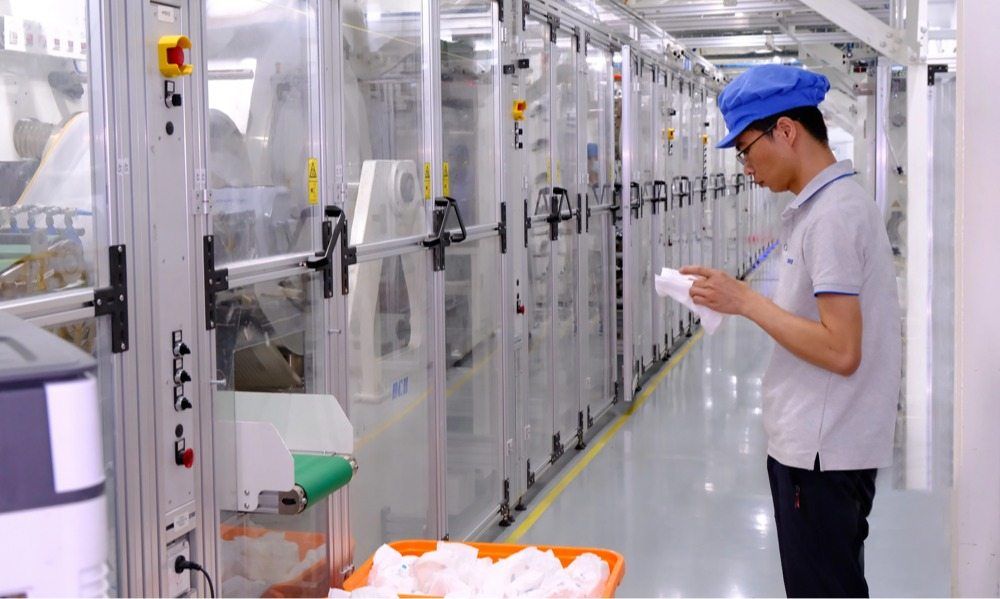
Established in 2012, Easy Hygienic is a professional baby diaper manufacturer based in Foshan, Guangdong, serving retailers, distributors, and brands across 100+ countries and regions worldwide. With 35 automated production lines and an independent CNAS-standard laboratory, Easy Hygienic provides OEM, ODM, and private label manufacturing solutions for international B2B buyers. Our quality and compliance credentials include ISO 13485, OEKO-TEX® STANDARD 100, and applicable FDA and CE documentation for relevant products and markets. We can discuss trial-order options for first-time overseas importers based on product specifications, customization requirements, and order volume, helping reduce initial sourcing risks and support long-term cooperation.
Learning how to import baby diapers from China and build stable cross-border supply chains is a systematic B2B decision-making process, rather than simple price comparison and order placement.
Successful diaper import business relies on accurate supplier screening, reasonable MOQ and cost matching, and standardized quality risk control. Partnering with a qualified and experienced baby diaper manufacturer can improve production consistency, quality management, and long-term supply stability.
By verifying factory strength, optimizing cost structures, and implementing full-process quality supervision, global buyers can avoid common sourcing pitfalls, stabilize overseas supply channels, and achieve continuous market expansion.
Get Reliable Baby Diaper OEM Support from Easy Hygienic
If you are looking for a trustworthy baby diaper manufacturer for private label customization and bulk import cooperation, Easy Hygienic provides low-risk sourcing solutions for global first-time importers. We offer free samples for evaluation, tailored FOB quotations, and professional OEM and private label consulting. Our flexible trial MOQ options and full-cycle customized manufacturing services help overseas brands launch high-quality diaper products efficiently and build reliable long-term supply partnerships.
Feel free to contact our team to get your exclusive product sample and customized business quote today.